Tag Archive for: WomensHealth

How many samples are taken during a breast biopsy?

During a vacuum-assisted breast biopsy (VABB), obtaining multiple tissue samples is key to building a complete diagnostic picture. Using a specialised vacuum-assisted device, a radiologist can typically retrieve between 8 and 12 tissue samples through a single, small incision without the need for repeated needle insertions. This technique allows a larger volume of tissue to be collected from the area of concern, improving the quality of the specimen for pathological analysis and iimproving diagnostic confidence. By combining precision imaging with enhanced tissue sampling, VABB plays an important role in the accurate assessment of breast abnormalities. To learn more about Vacuum-Assisted Breast Biopsy, please visit our website here.

What does the dye actually show during an HSG?

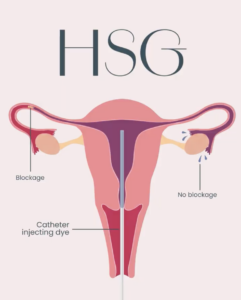
Every movement of the contrast dye during a Hysterosalpingogram (HSG) provides valuable diagnostic information. As the dye fills the uterine cavity and travels through the fallopian tubes, it creates a clear outline of the reproductive tract under X-ray guidance. Uninterrupted flow through the tubes, with the dye spilling from the fimbrial ends, indicates that the passage is open. When the dye cannot progress beyond a certain point, it may reveal a blockage that could be contributing to infertility. By visualising the reproductive tract in real time, HSG plays an important role in investigating fertility concerns and guiding appropriate treatment. To learn more about HSG, visit our website here.

Proximal Vs Distal Blockages: Why Location Matters

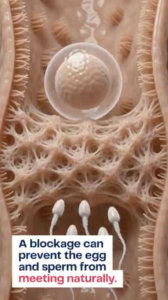
Not all fallopian tube blockages occur in the same location, and the position of a blockage can provide important insight into its underlying cause 🧬 Proximal blockages occur near the uterus and may be related to tubal spasm, inflammation, scarring, or debris within the tube. Mid-segment blockages affect the central portion of the fallopian tube and are often associated with previous tubal ligation, ectopic pregnancies, pelvic adhesions, or endometriosis. Distal blockages occur at the end of the tube and are commonly linked to pelvic inflammatory disease or advanced endometriosis 🩺 Fallopian Tube Recanalisation (FTR) is a minimally invasive, image-guided procedure used to open blocked fallopian tubes using a thin catheter under X-ray guidance, helping to restore tubal patency in selected cases. This procedure can be considered for women experiencing infertility due to proximal tubal blockage, offering a non-surgical treatment option with no external incisions. To learn more about FTR, visit our website here.