When your digestive system needs a closer look
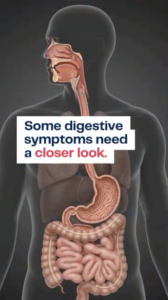
Some digestive symptoms need a closer look. Using a special contrast liquid and real-time X-ray imaging, doctors can follow how it moves through your oesophagus, stomach and upper digestive tract, helping identify narrowing, reflux or delayed movement. Understanding how your digestive system functions helps guide the next steps in your care. Learn more about gastrointestinal imaging here 

Looking beyond chest pain

When it comes to your heart, chest pain is not the only symptom worth investigating. Shortness of breath, fatigue, irregular heartbeats and even pain that radiates to the arm, jaw or back can also be signs worth paying attention to. These symptoms are sometimes overlooked or mistaken for less serious issues, which is why they should not be ignored. Early investigation gives you and your doctor a clearer picture of your heart health, and more time to act if needed. Read more about heart health and diagnostics on our website here.

What changes as women age

Not everything about ageing shows on the outside. Your bones, breast tissue and heart all change quietly over time, often without obvious signs. Understanding these changes is the first step to staying proactive about your health. Look out for the next post in our series: What Happens Inside Your Body After 40 or visit our website here to learn more.

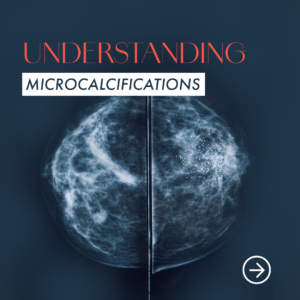
Understanding Microcalcifications

Most microcalcifications found on a mammogram are harmless, but certain patterns may need a closer look. A stereotactic breast biopsy uses mammogram guidance to accurately sample the area, helping your doctor determine the next steps. Learn more about stereotactic breast biopsy here.

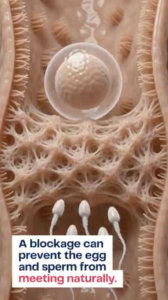
A tiny blockage can make a big difference

A blocked fallopian tube can quietly stand in the way of pregnancy. The first step is usually an HSG (hysterosalpingogram), which helps confirm whether a blockage is present. If one is found, Fallopian Tube Recanalisation (FTR) is a minimally invasive procedure that may help restore tubal openness in suitable patients. Visit our website to learn more here.

What Happens To Your Bones After Menopause?

Menopause does not just affect how you feel, it can affect your bones too. As oestrogen levels decline, bone loss can happen quickly and often silently, sometimes only becoming clear after a fracture. A DEXA scan helps catch these changes early.

Living with fibroids isn’t your only option.

Fibroids affect more than your menstrual cycle. Pelvic pressure, fatigue and constant planning around symptoms does not need to be your norm. Uterine Fibroid Embolisation offers a minimally invasive way to shrink fibroids and ease these symptoms over time. Learn more about UFE and how it can help.

How many times is too many?

Waking up once a night is normal. Waking several times, especially with a weak stream or trouble emptying your bladder, could point to an enlarged prostate. If this is affecting your sleep and quality of life, speak to your doctor about your options or visit our website here.