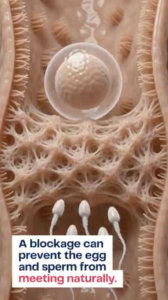
A tiny blockage can make a big difference

A blocked fallopian tube can quietly stand in the way of pregnancy. The first step is usually an HSG (hysterosalpingogram), which helps confirm whether a blockage is present. If one is found, Fallopian Tube Recanalisation (FTR) is a minimally invasive procedure that may help restore tubal openness in suitable patients. Visit our website to learn more here.

Living with fibroids isn’t your only option.

Fibroids affect more than your menstrual cycle. Pelvic pressure, fatigue and constant planning around symptoms does not need to be your norm. Uterine Fibroid Embolisation offers a minimally invasive way to shrink fibroids and ease these symptoms over time. Learn more about UFE and how it can help.

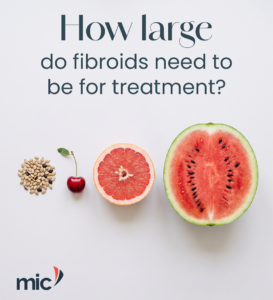
FAQ: How big do fibroids have to be before treatment?

When it comes to uterine fibroids, size is only one part of the clinical picture. A large fibroid may not require treatment if it remains symptom-free, while a smaller fibroid can significantly affect quality of life depending on its location and the symptoms it produces. Factors such as heavy menstrual bleeding, pelvic pain, pressure on surrounding organs, fertility concerns, and distortion of the uterine cavity all play an important role in determining the most appropriate treatment. Performed through a tiny incision in the groin, Uterine Fibroid Embolisation (UFE) is a minimally invasive treatment that can be considered for women whose fibroids are affecting their quality of life. If you  would like to learn more about UFE, visit our website here

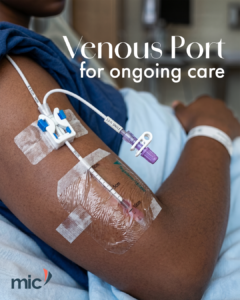
Why long-term treatment often starts with reliable access

For patients undergoing long-term treatment, reliable venous access can make care more efficient and comfortable. A venous port is a small device placed beneath the skin and connected to a large vein, providing direct access to the bloodstream when medications, fluids, blood products, or nutritional support need to be administered 🧬 Venous ports are commonly used for chemotherapy, prolonged antibiotic treatment, and other therapies that require frequent intravenous access. By reducing the need for repeated needle insertions, they can help simplify ongoing treatment while supporting consistent delivery of care.

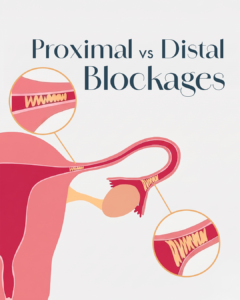
Proximal Vs Distal Blockages: Why Location Matters

Not all fallopian tube blockages occur in the same location, and the position of a blockage can provide important insight into its underlying cause 🧬 Proximal blockages occur near the uterus and may be related to tubal spasm, inflammation, scarring, or debris within the tube. Mid-segment blockages affect the central portion of the fallopian tube and are often associated with previous tubal ligation, ectopic pregnancies, pelvic adhesions, or endometriosis. Distal blockages occur at the end of the tube and are commonly linked to pelvic inflammatory disease or advanced endometriosis 🩺 Fallopian Tube Recanalisation (FTR) is a minimally invasive, image-guided procedure used to open blocked fallopian tubes using a thin catheter under X-ray guidance, helping to restore tubal patency in selected cases. This procedure can be considered for women experiencing infertility due to proximal tubal blockage, offering a non-surgical treatment option with no external incisions. To learn more about FTR, visit our website here.