How many times is too many?

Waking up once a night is normal. Waking several times, especially with a weak stream or trouble emptying your bladder, could point to an enlarged prostate. If this is affecting your sleep and quality of life, speak to your doctor about your options or visit our website here.

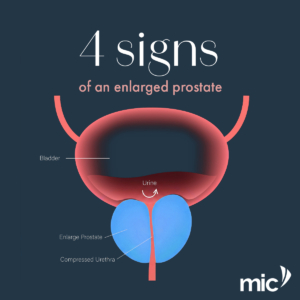
4 signs of an enlarged prostate story

An enlarged prostate, also known as benign prostatic hyperplasia (BPH), is a common condition that affects many men as they age. Although non-cancerous, it can have a significant impact on daily life by placing pressure on the bladder and urethra. Five common signs of an enlarged prostate include urinary urgency, difficulty starting urination, interrupted urine flow, urinary retention, and frequent waking during the night to urinate. Some men may also experience discomfort during urination or ejaculation. If these symptoms are affecting your quality of life, treatment options are available. Prostate Artery Embolisation (PAE) is a minimally invasive procedure that can help relieve symptoms by reducing the size of the prostate. To learn more about PAE, visit our website here.


What happens after prostate embolisation?

During Prostate Artery Embolisation (PAE), microscopic particles are used to block the blood supply feeding the enlarged prostate. Once this blood flow is reduced, the prostate begins a gradual process of shrinkage over the following weeks and months. As the tissue decreases in size, pressure on the urethra is relieved, allowing urine to flow more freely. This leads to a progressive improvement in symptoms such as frequent urination, weak stream, and interrupted sleep due to nighttime urination. If you have been diagnosed with an enlarged prostate and would like to explore treatment options, visit our website.