How imaging helps doctors plan treatment, not just make diagnoses

Diagnostic imaging does more than help doctors make a diagnosis. It provides detailed insight into what is happening inside the body, allowing healthcare professionals to assess the location, size, and extent of a condition with greater accuracy. Using advanced technologies such as ultrasound, CT, MRI, and X-ray imaging, doctors can gather valuable information that helps guide treatment decisions and monitor a patient’s progress over time. This detailed understanding supports more precise care, helping to improve outcomes and ensure patients receive the most appropriate treatment for their individual needs. To learn more about our diagnostic imaging services, visit our website here.

Living with heavy periods is not a treatment plan

Living with heavy periods is not a treatment plan 🌸 While uterine fibroids may begin as small, unnoticeable growths, they can become increasingly disruptive as they grow. Many women initially dismiss symptoms such as heavy menstrual bleeding, pelvic discomfort, bloating, frequent urination, or fatigue as something they simply need to manage. Over time, however, these symptoms can have a significant impact on daily life and overall wellbeing.

If fibroids are affecting your quality of life, treatment options are available. Uterine Fibroid Embolisation (UFE) is a minimally invasive procedure that reduces blood flow to the fibroids, causing them to shrink while preserving the uterus. To learn more about UFE, visit our website here.

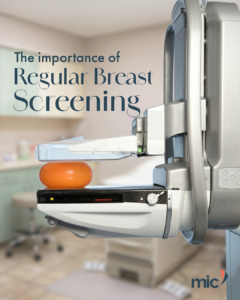
The importance of regular breast screening

Interventional Radiology (IR) is a specialised branch of medicine that uses advanced imaging technology to diagnose and treat a wide range of conditions throughout the body. Using guidance from X-ray, ultrasound, CT scans, and other imaging techniques, interventional radiologists can perform targeted procedures through tiny incisions using small instruments such as catheters. Some Interventional Radiology procedures offer a minimally invasive alternative and often resulting in shorter recovery times, less discomfort, and reduced hospital stays. To learn more about Interventional Radiology visit our website here.

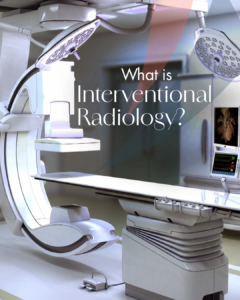
What is Interventional Radiology?

Interventional Radiology (IR) is a specialised branch of medicine that uses advanced imaging technology to diagnose and treat a wide range of conditions throughout the body. Using guidance from X-ray, ultrasound, CT scans, and other imaging techniques, interventional radiologists can perform targeted procedures through tiny incisions using small instruments such as catheters. Some Interventional Radiology procedures offer a minimally invasive alternative and often resulting in shorter recovery times, less discomfort, and reduced hospital stays. To learn more about Interventional Radiology visit our website here.

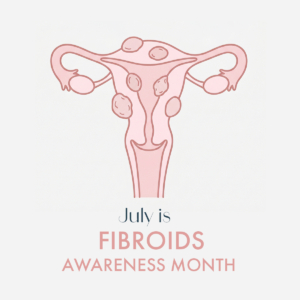
Fibroids awareness month

July is Fibroids Awareness Month 🌸

Uterine fibroids are non-cancerous growths that develop in or on the wall of the uterus. While some women experience no symptoms, others may face heavy menstrual bleeding, pelvic pain, frequent urination, or fertility challenges.Uterine Fibroid Embolisation (UFE) is a minimally invasive procedure that works by blocking the blood supply to targeted fibroids, causing them to shrink over time. UFE is performed through a tiny incision in the pelvic area and offers a quicker recovery time. To learn more about fibroids and the treatment options available treatment options available, please visit our website here.