Tag Archive for: UFE

Living with fibroids isn’t your only option.
Fibroids affect more than your menstrual cycle. Pelvic pressure, fatigue and constant planning around symptoms does not need to be your norm. Uterine Fibroid Embolisation offers a minimally invasive way to shrink fibroids and ease these symptoms over time. Learn more about UFE and how it can help.
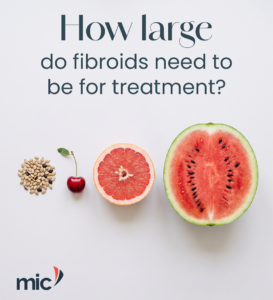
FAQ: How big do fibroids have to be before treatment?

When it comes to uterine fibroids, size is only one part of the clinical picture. A large fibroid may not require treatment if it remains symptom-free, while a smaller fibroid can significantly affect quality of life depending on its location and the symptoms it produces. Factors such as heavy menstrual bleeding, pelvic pain, pressure on surrounding organs, fertility concerns, and distortion of the uterine cavity all play an important role in determining the most appropriate treatment. Performed through a tiny incision in the groin, Uterine Fibroid Embolisation (UFE) is a minimally invasive treatment that can be considered for women whose fibroids are affecting their quality of life. If you  would like to learn more about UFE, visit our website here

Fibroids awareness month

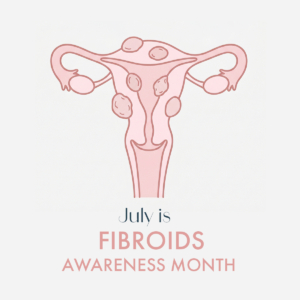
July is Fibroids Awareness Month 🌸

Uterine fibroids are non-cancerous growths that develop in or on the wall of the uterus. While some women experience no symptoms, others may face heavy menstrual bleeding, pelvic pain, frequent urination, or fertility challenges.Uterine Fibroid Embolisation (UFE) is a minimally invasive procedure that works by blocking the blood supply to targeted fibroids, causing them to shrink over time. UFE is performed through a tiny incision in the pelvic area and offers a quicker recovery time. To learn more about fibroids and the treatment options available treatment options available, please visit our website here.

A tiny incision with UFE

Uterine Fibroid Embolisation (UFE) is a minimally invasive procedure performed by an interventional radiologist for the management of uterine fibroids. The procedure involves the insertion of a catheter, commonly through a small access point at the groin, using imaging guidance to reach the uterine arteries. Small particles are then introduced to reduce blood flow to selected fibroids. Reducing the blood supply may cause fibroids to decrease in size over time and may help address symptoms associated with fibroids, including heavy menstrual bleeding, pelvic pain and pelvic pressure. Management options for uterine fibroids vary depending on individual clinical circumstances, and patients are advised to discuss appropriate treatment options with their healthcare practitioner. To learn more about UFE, visit our website. 

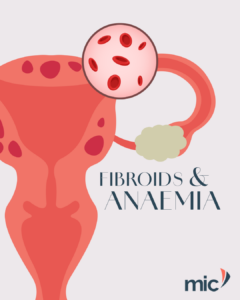
Fibroids and Anaemia

Fibroids are benign growths in the uterus that can cause heavy, prolonged, or irregular menstrual bleeding. Over time, this excessive blood loss may deplete iron stores in the body and lead to iron‑deficiency anaemia. Symptoms of anaemia can include fatigue, weakness, shortness of breath, and feeling cold. Uterine Fibroid Embolisation (UFE) is a minimally invasive procedure that blocks the blood supply to specific fibroids, causing them to shrink and reducing bleeding. By addressing the source of heavy menstrual loss, UFE can help improve anaemia and enhance overall wellbeing. For more information, please visit our website.