Tag Archive for: BreastHealth

Why dense breast tissue can hide abnormalities
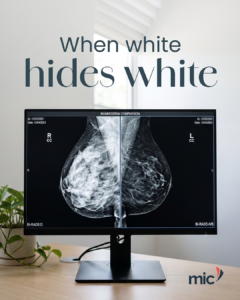
Dense breast tissue can make mammograms more challenging to interpret because both healthy fibroglandular tissue and certain breast abnormalities appear white on X-ray images. This “white-on-white” effect can make small changes more difficult to detect, potentially masking findings that may require further investigation. In addition to affecting image interpretation, dense breast tissue is also recognised as an independent risk factor for breast cancer. Understanding breast density is an important part of breast health, helping guide appropriate screening and, where necessary, additional imaging. To learn more about our Women’s Imaging services, visit our website here.
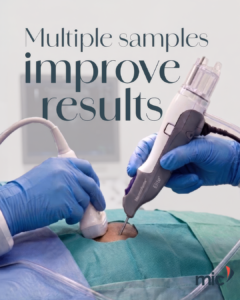

How many samples are taken during a breast biopsy?

During a vacuum-assisted breast biopsy (VABB), obtaining multiple tissue samples is key to building a complete diagnostic picture. Using a specialised vacuum-assisted device, a radiologist can typically retrieve between 8 and 12 tissue samples through a single, small incision without the need for repeated needle insertions. This technique allows a larger volume of tissue to be collected from the area of concern, improving the quality of the specimen for pathological analysis and iimproving diagnostic confidence. By combining precision imaging with enhanced tissue sampling, VABB plays an important role in the accurate assessment of breast abnormalities. To learn more about Vacuum-Assisted Breast Biopsy, please visit our website here.

Why breast cancer screening doesn’t end with a mammogram

A mammogram is one of the most important tools for the early detection of breast cancer, but it is not always the final step in the diagnostic process. If an area of concern is identified, additional imaging such as ultrasound, MRI, or specialised biopsy procedures may be recommended to gather more information. These investigations help radiologists and referring doctors better understand the nature of a finding and determine the most appropriate next steps. Early detection, combined with improved diagnostic evaluation, plays a vital role in supporting timely treatment and improved patient outcomes. To learn more about women’s imaging services, please visit our website here.

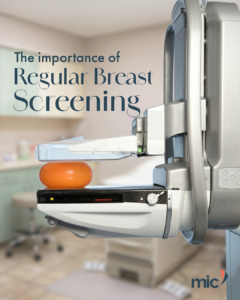
The importance of regular breast screening

Interventional Radiology (IR) is a specialised branch of medicine that uses advanced imaging technology to diagnose and treat a wide range of conditions throughout the body. Using guidance from X-ray, ultrasound, CT scans, and other imaging techniques, interventional radiologists can perform targeted procedures through tiny incisions using small instruments such as catheters. Some Interventional Radiology procedures offer a minimally invasive alternative and often resulting in shorter recovery times, less discomfort, and reduced hospital stays. To learn more about Interventional Radiology visit our website here.