Tag Archive for: MIC

A tiny incision with UFE
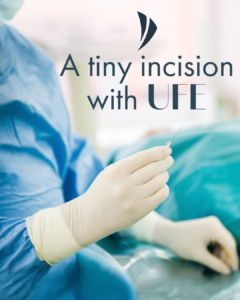
Uterine Fibroid Embolisation (UFE) is a minimally invasive procedure performed by an interventional radiologist for the management of uterine fibroids. The procedure involves the insertion of a catheter, commonly through a small access point at the groin, using imaging guidance to reach the uterine arteries. Small particles are then introduced to reduce blood flow to selected fibroids. Reducing the blood supply may cause fibroids to decrease in size over time and may help address symptoms associated with fibroids, including heavy menstrual bleeding, pelvic pain and pelvic pressure. Management options for uterine fibroids vary depending on individual clinical circumstances, and patients are advised to discuss appropriate treatment options with their healthcare practitioner. To learn more about UFE, visit our website

FAQ: What’s the difference between a Radiologist and Radiographer?

The terms radiologist and radiographer are sometimes used interchangeably, but they refer to different roles within medical imaging.

A radiographer is a trained healthcare professional who performs imaging examinations such as X-rays, CT scans and MRI scans. Their role includes operating imaging equipment and ensuring images are obtained safely and accurately.

A radiologist is a medical doctor who specialises in the interpretation of medical images. Radiologists analyse imaging studies to assist in diagnosis and may also perform image-guided procedures used in diagnosis and treatment.

In a radiologist-led practice, imaging does not end with image acquisition. It is overseen, interpreted and clinically directed by a specialist doctor from start to finish. To learn more about our services, please visit our website

Why enlarged prostates cause frequent urination

Benign Prostatic Hyperplasia (BPH), or an enlarged prostate, can compress the urethra and disrupt the normal flow of urine. This obstruction often causes frequent urination, urgency, weak stream, and difficulty emptying the bladder. Prostate Artery Embolisation (PAE) is a minimally invasive procedure that targets the prostate’s blood supply with micro particles, causing it to shrink and relieving urinary symptoms. PAE provides an effective, non-surgical option for men seeking long-term relief from BPH. To find out if PAE could be suitable for you, please visit our website.

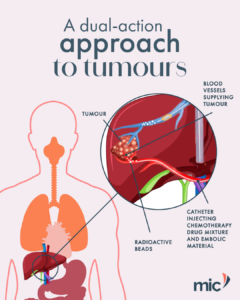
A dual‑action approach to tumours

Trans‑Arterial Chemoembolisation (TACE) is a minimally invasive procedure that treats liver tumours using a dual‑action approach. It combines targeted chemotherapy delivery directly into the tumour-feeding arteries with embolisation, where tiny particles block these vessels to cut off the tumour’s blood supply. This concentrated strategy allows the chemotherapy to act locally while depriving the tumour of oxygen and nutrients, maximising tumour control and reducing systemic side effects. Performed under local anaesthesia, TACE is precise, minimally invasive, and may require only a short hospital stay 🔬