Symptom relief: From neck pressure to swallowing discomfort.
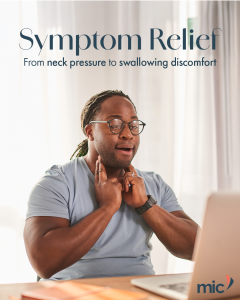
Thyroid Microwave Ablation (MWA) is a minimally invasive treatment for benign thyroid nodules that cause symptoms such as neck pressure, a sensation of fullness in the throat, difficulty swallowing and visible swelling. Using imaging guidance, a fine probe is inserted into the nodule and controlled microwave energy is applied, causing the tissue to shrink gradually over time. As the nodule reduces in size, compression eases and many patients experience meaningful symptom relief, often returning to normal activities quickly with minimal discomfort and no surgical scarring. The procedure is guided by interventional radiologists or endocrinologists, in collaboration with your doctor, to ensure precision and safety. To learn more about whether MWA is suitable for you, speak to your endocrinologist or visit our website.
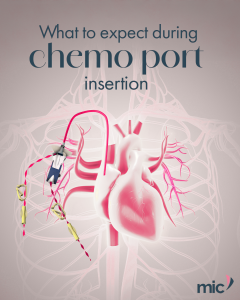
What to expect during chemo port insertion

A chemo port insertion, also known as a port-a-cath or implanted port, is a minor procedure that provides comfortable, reliable vascular access for chemotherapy, regular medications or blood tests. During the procedure, a small port is placed beneath the skin and connected to a catheter positioned in a major vein, usually in the upper chest. Imaging guidance ensures accurate placement and reduces the need for repeated needle sticks. The procedure is typically performed under local anaesthesia, and most patients return home the same day. Insertions are overseen by interventional radiologists or oncologists to ensure precise placement and minimised risk. To learn more about what to expect, speak to your oncologist or visit our website.

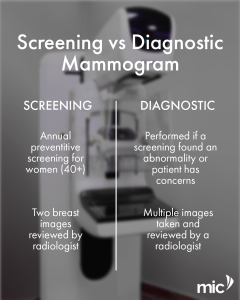
Screening vs Diagnostic Mammography

Understanding the difference between screening and diagnostic mammography is essential for effective breast care. Screening mammography is performed routinely in individuals without symptoms to detect early changes before they become noticeable. Diagnostic mammography is used when symptoms are present, or when findings such as microcalcifications or masses require further evaluation. Together, these approaches support timely and accurate assessment. Early detection saves lives, making it important to understand which test is appropriate for your breast health. To learn more about these procedures, speak to your radiologist or visit our website.

The connection between fibroid size and symptom severity

Fibroid size alone does not always determine symptom severity, as even small fibroids can cause pain or interfere with fertility. That said, larger fibroids, typically greater than 6–10 cm, are more likely to cause complications such as severe pelvic pain, pressure on surrounding organs, distortion of the uterine shape affecting fertility or pregnancy, anaemia from heavy menstrual bleeding, and urinary retention or constipation. Performed through a tiny insertion in the groin, Uterine Fibroid Embolisation (UFE) precisely targets the blood vessels supplying fibroids, causing them to shrink gradually while preserving surrounding healthy tissue. To learn more about UFE, speak to your gynae or visit our website.

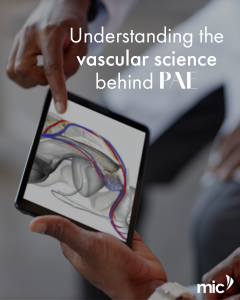
Understanding the vascular science behind PAE

Prostate Artery Embolisation (PAE) relies on a detailed understanding of the prostate’s vascular anatomy to relieve urinary symptoms. Advanced imaging allows interventional radiologists to trace each tiny artery supplying the prostate, ensuring micro particles are delivered precisely where needed. This selective blockage reduces blood flow to the gland, causing it to shrink over time while protecting surrounding tissue. Mapping the vascular network carefully prevents non-target embolisation and supports predictable outcomes. Real-time imaging is essential to guide every step, with interventional radiologists or your doctor overseeing the procedure. To learn more on PAE visit our website.

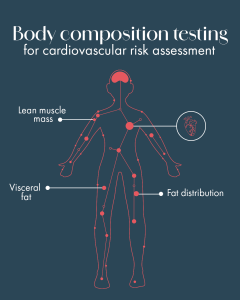
Body composition testing for cardiovascular risk assessment

Whole Body Composition Analysis offers deeper insight into cardiovascular risk than body weight alone. By measuring fat distribution, lean muscle mass and visceral fat, doctors and radiologists can better assess metabolic health and potential heart disease risk. Elevated visceral fat is strongly linked to hypertension, insulin resistance and cardiovascular disease. This level of analysis supports early risk identification and more personalised prevention strategies. Understanding internal body composition can be a meaningful step towards proactive cardiovascular health management. To learn more, speak to your doctor or visit our website to enquire.

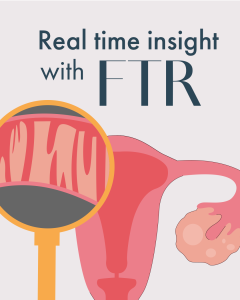
Real time insight with FTR

Fallopian Tube Recanalisation is unique in that it allows both assessment and treatment in a single session. Using real-time imaging, tubal blockages are identified and gently reopened during the same procedure. This dual approach reduces the need for multiple interventions, shortens recovery time, and provides immediate confirmation of tubal patency. To find out whether FTR is the right option for you, speak to a fertility specialist or visit our website.

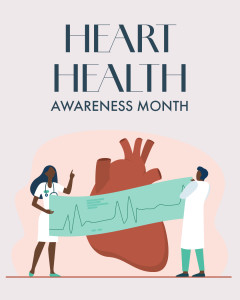
Heart Health Awareness Month

Heart disease often develops silently, long before severe symptoms appear. Heart Health Awareness Month is a reminder to pause, listen to your body, and prioritise cardiovascular wellbeing at every stage of life. This February, we encourage awareness, prevention and proactive conversations about heart health – because looking after your heart is an investment in long-term wellbeing 🫀

World Cancer Day

Today is a reminder that cancer touches far more lives than statistics can show. Behind every diagnosis is a person, a family and a journey that requires courage, support and clarity. On World Cancer Day, we stand with the patients, families and healthcare professionals working together towards earlier detection, better outcomes and continued progress 🎗️