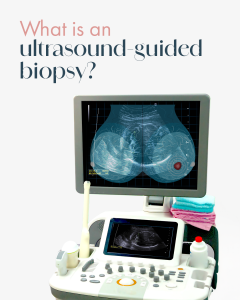
What is an ultrasound guided biopsy?

An ultrasound-guided biopsy uses real-time imaging to precisely guide a needle to an area of concern, allowing tissue samples to be taken without major surgery. This safe, minimally invasive procedure is performed under local anaesthesia, ensuring comfort while maintaining accuracy. An ultrasound-guided biopsy is often used to investigate breast or thyroid abnormalities. For more information about this technique, visit our website.
FAQ – Can fibroids regrow after UFE?

Uterine Fibroid Embolisation (UFE) effectively shrinks targeted fibroids by cutting off their blood supply. While treated fibroids rarely regrow, new fibroids may develop over time. In the unlikely case of regrowth, UFE can be conducted more than once and remains a safe and minimally invasive option for long-term symptom relief. If you have been diagnosed with fibroids and wish to learn about UFE, visit our website for more.

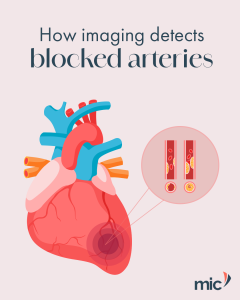
How imaging detects blocked arteries

Blocked arteries can lead to a number of conditions including heart attacks, strokes, or limb complications. Advanced imaging such as coronary angiography, CT angiography, and intravascular ultrasound allow specialists to see narrowings or obstructions with precision. These tools also guide interventions like stenting or surgery — improving patient outcomes. If you would like to learn more about our vascular imaging services, visit our website.

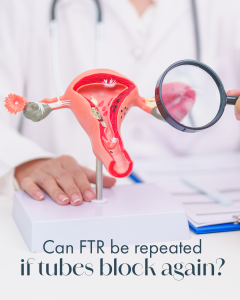
Can FTR be repeated if tubes block again?

The answer is yes — if a fallopian tube becomes blocked again, Fallopian Tube Recanalisation (FTR) can be a repeated procedure. Using image-guided techniques, we can restore patency and potentially improve fertility caused by flocked tubes. To learn more about FTR, visit our website.

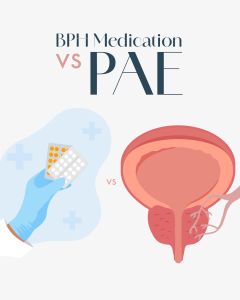
Comparing medication vs PAE for BPH

Benign Prostatic Hyperplasia (BPH) can be managed with medication or treated with a minimally invasive procedure called Prostate Artery Embolisation (PAE). While medications relieve symptoms temporarily, PAE targets blood vessels to shrink the gland. If you have been diagnosed with BPH and are exploring treatment options, visit our website for more information

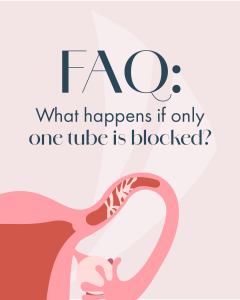
FAQ – What happens if only one tube is blocked?

If one fallopian tube is blocked, natural conception may still occur — the egg can be picked up by the functioning tube on the other side. However, a blockage in both tubes usually prevents pregnancy unless treatment is sought. Our minimally invasive FTR procedure can restore patency to the tube and improve fertility prospects. To explore your options and learn more about FTR, visit our website.

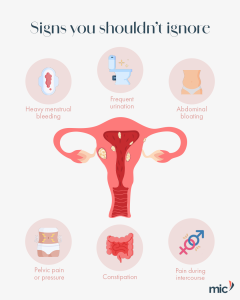
Signs you shouldn’t ignore

While fibroids are asymptomatic for some, they are debilitating for others. When symptoms begin to affect your daily life, we believe it’s important to seek help. Heavy menstrual bleeding, pelvic pain, bloating, frequent urination, constipation, or fatigue may all indicate fibroid growth. Uterine Fibroid Embolisation (UFE) is a safe, minimally invasive procedure that works by blocking the blood supply to fibroids, causing them to shrink and relieve symptoms 🌸 If you’ve been diagnosed with fibroids and wish to learn more, visit our website.